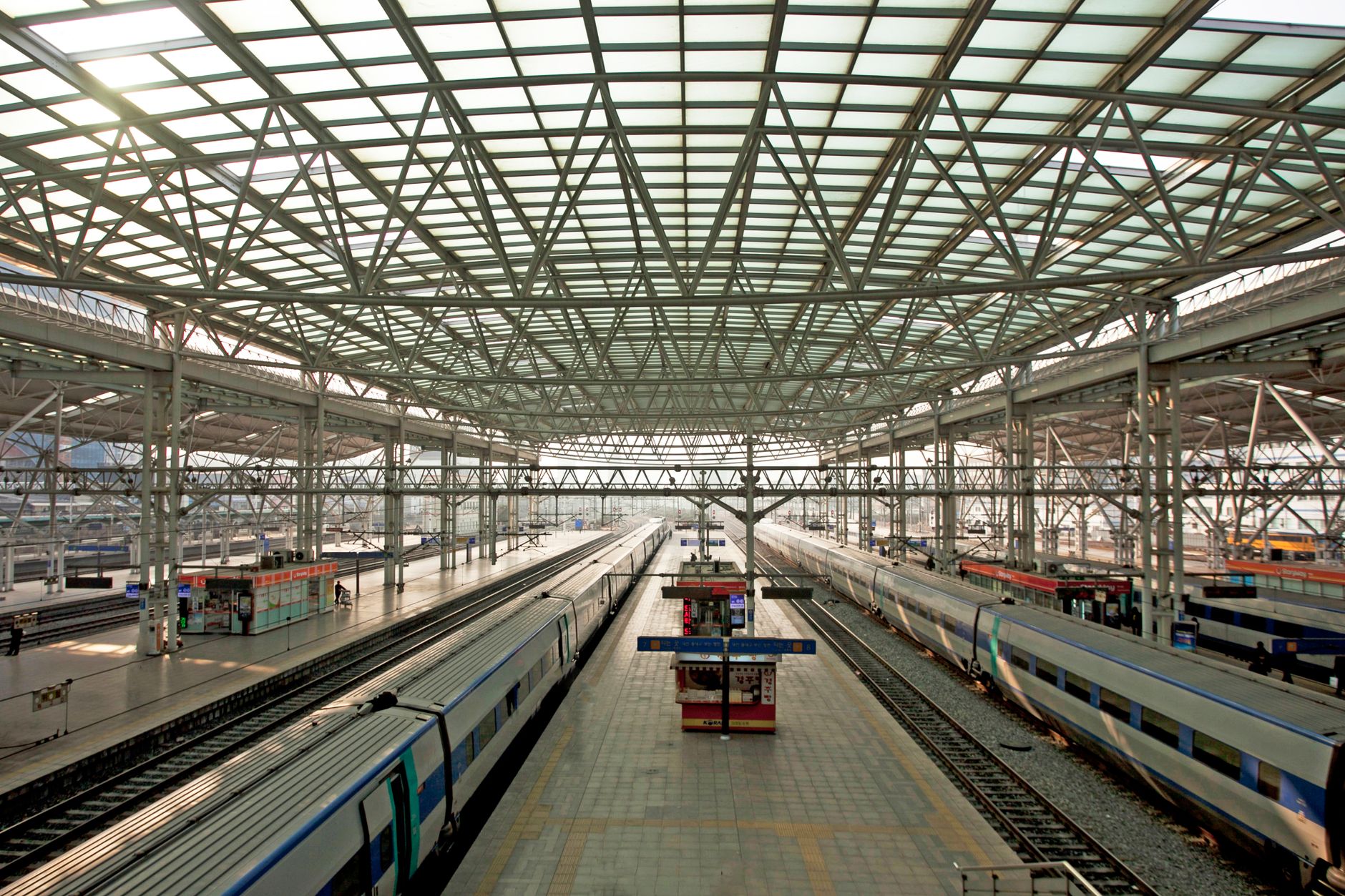
Four systems. One timetable.
Takt isn't a scheduling spreadsheet with a UI on top — it's four purpose-built systems that share one clock: the timetable itself, the connection promises between services, the disruption playbook, and the reporting that proves it all happened.
01
The clockface timetable
Every service leaves at the same minute past every hour, all day, forever. Your riders stop reading timetables and start setting watches — the schedule becomes something the town simply knows. Build it once in Takt's grid editor and it holds for every operating day you publish.
02
Connections that hold
Transfers are planned as promises: the branch line waits the full window, the mainline meets it to the second, and a missed connection is treated as what it is — an engineering defect, logged and reviewed like one. Takt simulates every transfer before you publish, not after a rider misses one.
03
Disruption, rerouted
When the mountain sends snow, Takt already has the replacement plan published, the buses rolling, and the apology drafted in four languages. The 7:02 still leaves at 7:02 — from the next platform over. Contingency plans live next to the timetable they protect, not in a binder nobody opens.
04
Reporting that holds up
Every arrival, departure and connection is logged to the second. When a regulator, a board or a rider association asks how the network actually performed, Takt answers with the same ledger it used to run the day — not a reconstruction.
Printed in black and white
Takt treats operations like the page treats photographs: no color where none is needed. The network map prints in ink on near-white, every line legible, and red spent on exactly one thing — the service that needs your attention now.
Operators roll out Takt line by line: one corridor first, a full timetable rebuild on your schedule, not ours.